
What Are Telomeres and Why Do They Matter for Healthy Aging
- Mariana Andrawis
- Nov 15
- 3 min read

Updated: Nov 21
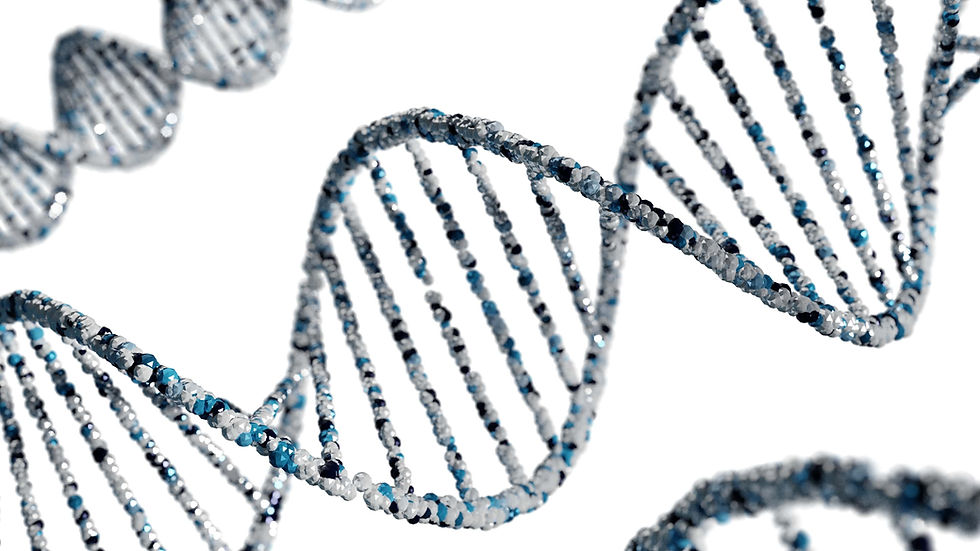
Aging is often described as something that “just happens,” but science shows that the way we age is deeply connected to what’s happening inside our cells. One of the most important pieces of this puzzle is something called telomeres — tiny protective caps at the ends of your DNA that play a major role in health, longevity, and cellular aging.
In this blog, we’ll explore what telomeres are, why they shorten, and simple lifestyle habits that can help support healthier aging.
What Are Telomeres?
Inside every cell in your body, you have chromosomes that hold your DNA. At the very ends of these chromosomes are telomeres, which act like the plastic tips on shoelaces. Their job is to protect your genetic material from damage.
Each time your cells divide, your telomeres naturally get a little shorter. When they become too short, the cell can no longer divide properly. This is one of the main ways our cells — and our bodies — age over time.
Why Telomeres Matter
Research shows that telomere length is strongly linked to:
Cellular aging
Immune health
Inflammation
Disease risk
Longevity
Energy production
Metabolic balance
People with longer, healthier telomeres tend to have better overall health and slower biological aging.People with shorter telomeres may be more prone to chronic inflammation, insulin resistance, fatigue, heart disease, and cognitive decline.
What Causes Telomeres to Shorten Faster?
While telomere shortening is natural, certain lifestyle factors accelerate it:
1. Chronic Stress
Long-term stress increases cortisol, inflammation, and oxidative damage — all of which shorten telomeres faster.
2. Inflammation
Conditions like gut issues, poor diet, chronic infections, or metabolic imbalances raise inflammation in the body, affecting telomere length.
3. Poor Diet
A diet high in sugar, processed foods, refined oils, and low-nutrient meals contributes to oxidative stress, which damages telomeres.
4. Lack of Movement
A sedentary lifestyle is linked to shorter telomeres and faster biological aging.
5. Poor Sleep
Deep sleep is when the body repairs DNA. Inconsistent or low-quality sleep can reduce this repair cycle.
6. Environmental Toxins
Pollution, smoke, heavy metals, and chemicals create stress inside your cells.
7. Smoking and Excess Alcohol
Both dramatically increase oxidative stress and accelerate telomere shortening.
How to Support Healthy Telomeres Naturally
The good news: lifestyle plays a powerful role in protecting telomeres and slowing biological aging.
1. Eat a Colorful, Whole-Food Diet
Foods rich in antioxidants and phytonutrients reduce oxidative stress and inflammation.
Include more of:
Berries
Leafy greens
Cruciferous vegetables
Omega-3 rich foods (salmon, walnuts, chia seeds)
Nuts and seeds
Olive oil
Green tea
Beans and lentils
These nourish your cells and support telomere health.
2. Balance Blood Sugar
Stable blood sugar helps reduce metabolic stress, which protects telomeres.Each meal should contain:
Protein
Fiber
Healthy fats
Whole-food carbohydrates
3. Move Your Body Daily
Regular movement increases an enzyme called telomerase, which helps maintain telomere length.
Great options include:
Walking
Strength training
Yoga
Cycling
Low to moderate cardio
Even 20–30 minutes a day makes a difference.
4. Prioritize Stress Management
Your emotional health directly affects your cellular health.
Some helpful practices:
Deep breathing
Prayer
Gentle movement
Time in nature
Journaling
Relaxation techniques
Calming your nervous system protects your cells on a biological level.
5. Improve Your Sleep Routine
Aim for 7–9 hours a night.Sleep is when:
DNA repairs
Hormones rebalance
Inflammation decreases
The body clears waste from cells
Better sleep = healthier telomeres.
6. Limit Toxins When Possible
Reducing exposure to cigarette smoke, chemicals, and environmental toxins helps reduce oxidative stress.
Your telomeres may be tiny, but their impact on your health is powerful. While aging is natural, how you age is deeply influenced by the choices you make every day.
By nourishing your body with whole foods, managing stress, sleeping well, and moving regularly, you support healthier telomeres — and healthier aging from the inside out.
Caring for your telomeres means caring for your longevity, energy, and overall wellness.


